
Table Of Contents:
- Key Takeaways
- Understanding Scoliosis and Its Impact on Your Body
- The Benefits of Pilates for Scoliosis Management
- Preparing to Begin Pilates With Scoliosis
- Essential Pilates Exercises Specifically for Scoliosis
- Step-by-Step Guide to Practicing Pilates Safely
- Expert Tips for Maximizing Results With Pilates
- Real-Life Success Stories and Encouragement
- Conclusion
Key Takeaways
Pilates for scoliosis can help improve posture, build strength, and support daily movement. It focuses on safe, controlled motion and a strong mind body connection.
- It helps improve alignment and posture
- It builds strong core muscles for support
- It may increase flexibility and reduce pain
- It supports long-term health and quality of life
- It works best with guidance from a trained professional
Understanding Scoliosis and Its Impact on Your Body
Exploring the Different Types of Scoliosis
Scoliosis is a spinal deformity where the spine curves side to side. There are different forms, and each type of scoliosis affects the body in its own way.
Idiopathic scoliosis is the most common. It often starts in teens and has no clear cause. Degenerative scoliosis develops later in life due to wear and tear. Some people are born with spinal changes, while others develop curves from muscle or nerve issues.
Each type can affect movement, balance, and comfort. That is why exercises for scoliosis must match the person’s needs.
How Scoliosis Affects Posture and Movement
Scoliosis changes how the body stands and moves. The shoulders or hips may look uneven. This can affect alignment and posture during daily tasks.
The spine may not support the body evenly. This can weaken muscles and make movement harder. Over time, this may cause pain or fatigue. People with scoliosis often use special movement training to feel better. These methods focus on balance, strength, and control.
The Benefits of Pilates for Scoliosis Management
Why Pilates Is Beneficial for Individuals With Scoliosis
Many ask, is Pilates good for scoliosis. The answer is yes for many people. Pilates for scoliosis uses slow and careful motion. It helps support the spine and reduce strain.
The benefits of Pilates for scoliosis include better control, stronger muscles, and safer movement. It also supports breathing techniques that help expand the rib cage. This method can help scoliosis patients feel more balanced and stable in daily life.
Improving Spine Alignment Through Targeted Exercises
The best Pilates exercises for scoliosis focus on control and balance. They help guide the spine into better position. These Pilates for scoliosis exercises train the body to move in a more even way. They also help correct uneven muscle use.
Some movements work on gentle rotation. Others help the body stay steady and upright. Over time, this can support better posture.
Strengthening Core Muscles to Support the Spine
Strong core muscles are key for spine support. Pilates for scoliosis helps build these deep muscles in a safe way. A strong core helps protect the spine during daily tasks. It also reduces stress on joints and muscles. This can help people with scoliosis move with more ease and less discomfort. It also supports better balance and control.
Preparing to Begin Pilates With Scoliosis
Consulting Healthcare Professionals Before Starting
Before starting, it is important to speak with a physical therapist or doctor. They can check your spine and guide your plan. They can also suggest safe ways to move and avoid strain. This helps you get the most from your practice.
Finding a Qualified Pilates Instructor Experienced With Scoliosis
Working with trained Pilates for scoliosis instructors is very important. They understand how to adjust exercises for your needs. They can guide your form and help you stay safe. They also know how to work with different curves and body shapes. Look for someone with experience in Pilates exercise for scoliosis.
Setting Personal Goals and Expectations
Set simple and clear goals. Focus on small steps like better balance or less pain. Progress may take time. Stay patient and keep going.
Goals may include:
- Improve posture
- Build strength
- Move with less pain
- Feel more in control of your body
Essential Pilates Exercises Specifically for Scoliosis

Gentle Stretching Techniques to Increase Flexibility
Stretching helps increase flexibility and reduce stiffness. Gentle side bends help open tight areas. Slow stretches help lengthen muscles. These movements help the body feel more relaxed and balanced. They also support better movement.
Core Stabilization Exercises to Support Spinal Alignment
Core work helps hold the spine in place. Simple exercises like controlled arm and leg lifts build strength. These movements help keep the body stable. They also improve balance and support better alignment.
Breathing Exercises to Enhance Movement and Relaxation
Breathing is a key part of Pilates for scoliosis exercises. Deep breathing helps the ribs move better. It also helps the body relax. Good breathing supports movement and reduces tension. It also helps improve focus and control.
Step-by-Step Guide to Practicing Pilates Safely
Adapting Exercises to Accommodate Your Curve
Each person’s curve is different. That is why exercises must be adjusted. Reformer Pilates for scoliosis allows better support and control. Equipment like the Pilates reformer can help guide movement. Using Studio Reformers or Home Reformers can make exercises safer and more effective.
Using Props and Modifications for Better Support
Props can help support the body during movement. Tools like Pilates Accessories, foam rollers, and bands help improve control. Equipment such as Chair and Ladder, Pilates Boxes and Arcs, and Cadillacs and Towers offer added support. Always check Warranty and Maintenance when using equipment to keep it safe.
Monitoring Your Form to Prevent Discomfort
Good form is very important. Poor form can cause strain. Use mirrors or ask for feedback. Move slowly and stay in control. Stop if you feel pain. Always listen to your body.
Expert Tips for Maximizing Results With Pilates
Building a Consistent Practice Routine
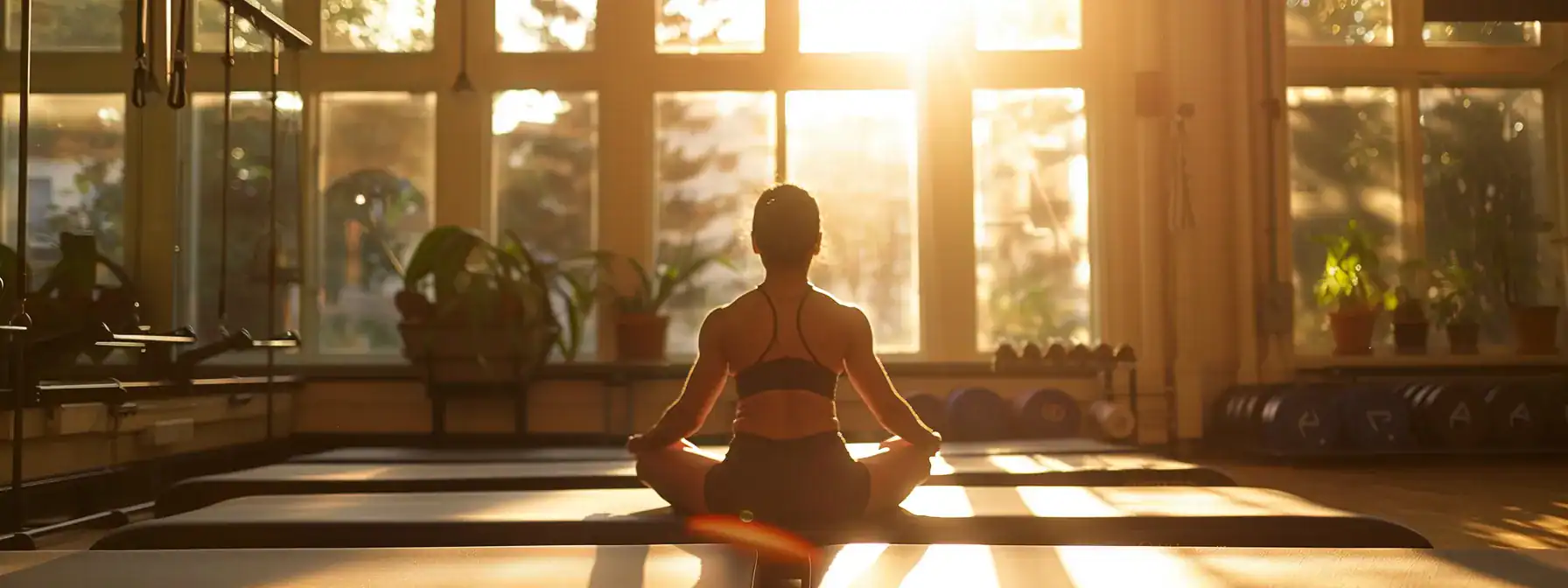
Practice often to see results. Start with a few sessions each week. Short and regular sessions work best. Over time, you can do more. Consistency helps build strength and improve movement.
Combining Pilates for Scoliosis With Other Therapeutic Activities
Pilates for scoliosis works well with other activities. Swimming, light yoga, or therapy can support your progress. These methods help improve strength, balance, and movement together.
Listening to Your Body and Progressing at Your Own Pace
Move at your own pace. Do not rush. Pay attention to how your body feels. Rest when needed. Small steps lead to better results over time.
Real-Life Success Stories and Encouragement
Testimonials From Individuals Who Manage Scoliosis With Pilates
Many people with scoliosis feel better with regular practice. They report less pain, better posture, and more control. Some also feel stronger and more confident in daily life.
Lessons Learned From Pilates Professionals
Experts say each body is different. Plans should be personal. They also stress the need for patience and steady practice. Breathing, control, and proper form are key to success.
Staying Motivated on Your Journey to Improved Well-Being
Stay motivated by setting small goals. Track your progress. Celebrate small wins like less pain or better balance. Support from others can also help you stay on track.
Conclusion
Pilates for scoliosis offers a safe and helpful way to manage spinal changes. It supports strength, balance, and better movement.
With the right guidance, people with scoliosis can build strong habits that support long-term health. Over time, this can improve comfort, confidence, and overall quality of life. For personalised support and expert advice, contact us today.