
Opening a Pilates studio requires careful planning, especially when choosing the right equipment. A complete Pilates studio equipment checklist helps ensure you invest in high-quality gear that delivers an excellent client experience, keeps your operations running smoothly, and strengthens your studio’s reputation. By following a well-prepared Pilates studio equipment checklist, you can confidently set up your studio for long-term success and professional growth.
1. Pilates Reformers
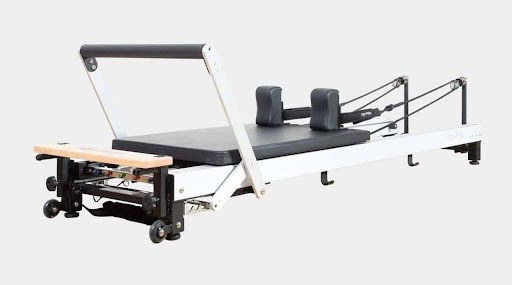
Reformers are the centerpiece of any Pilates studio. They offer versatility and functionality for group classes and private sessions. Choose durable, adjustable models designed for frequent use.
• Recommended Models:
• A8-Pro Reformer: Ideal for professional studios, with adjustable heights and silent operation.
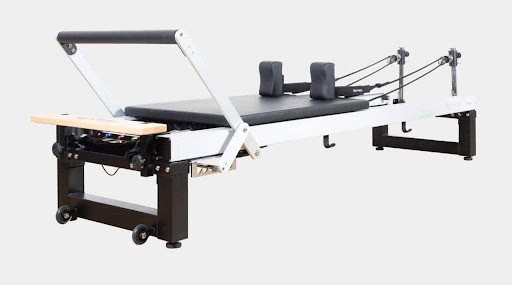
• Price: $4,999
• C8-Pro Reformer: Durable and stackable, perfect for maximizing space in group settings.
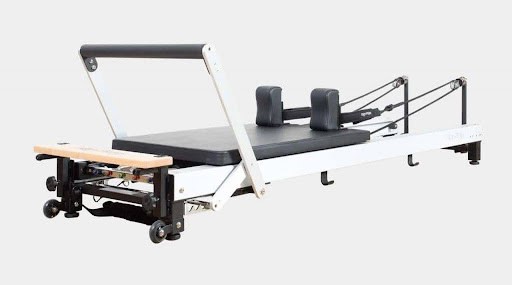
• Price: $3,999
2. Cadillac or Trapeze Table
The Cadillac adds versatility to your studio, allowing clients to perform advanced movements and rehabilitation exercises.
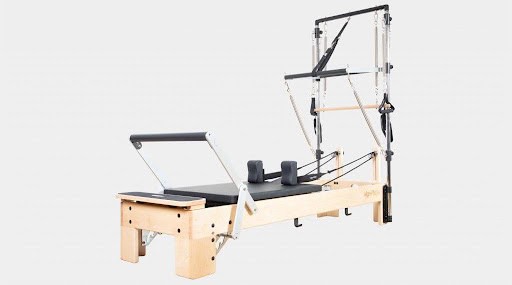
• Why It’s Essential:
• Supports a wide range of exercises.
• Ideal for rehabilitation and advanced training.
3. Pilates Chairs
Pilates chairs, like the Wunda Chair, are compact and versatile for strength and balance exercises.
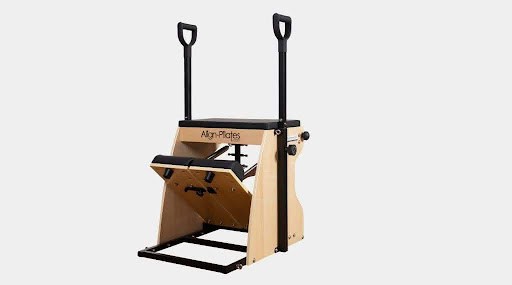
• Recommended For:
• Small studios needing space-saving equipment.
• Advanced clients looking for a challenge.
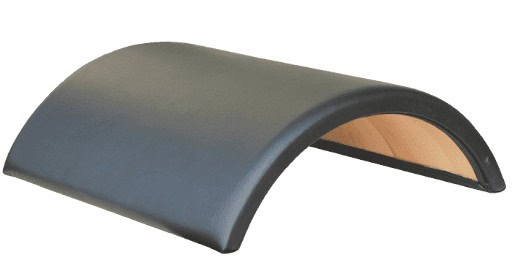
4. Barrels and Arcs
Barrels and arcs are perfect for improving flexibility and core strength. They also enhance posture and are essential for rehabilitation.
• Usage:
• Add variety to mat and reformer sessions.
• Focus on stretching and alignment.
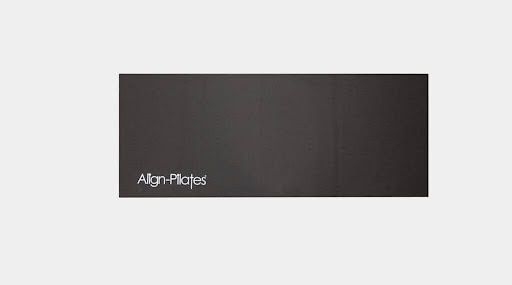
5. Mats and Small Props
Ensure your studio has high-quality mats and props like resistance bands, stability balls, and foam rollers. These are essential for both mat classes and accessory work on reformers.
• Shop Accessories:
• Explore our Pilates Accessories for premium options.
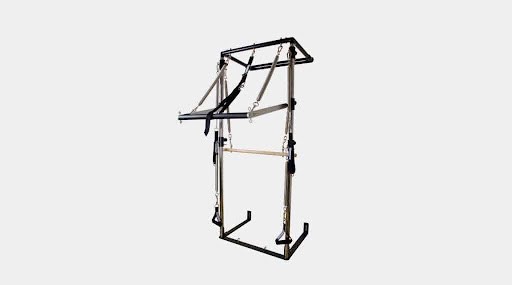
6. Wall Units and Towers
Wall units provide a space-efficient alternative to Cadillacs, offering similar functionality for resistance and stretching exercises.
• Best For:
• Studios with limited space.
• Offering versatility without the bulk of a full Cadillac.
7. Studio Design Tips
• Space Efficiency: Choose stackable reformers like the C8-Pro to maximize space.
• Ambiance: Opt for calming colors, soft lighting, and open layouts.
• Storage Solutions: Incorporate racks or cabinets for props and accessories.
Why Choose Align Pilates for Your Studio?
Opening a Pilates studio means making smart choices, and choosing the right brand for your equipment is one of the most important steps. That’s why many studio owners and instructors trust Align Pilates. Whether you’re teaching group classes, private sessions, or helping people recovering from injury, Align Pilates offers everything you need to start strong and grow with confidence.
1. Built to Last in Busy Studios
All Align Pilates equipment is made with quality materials that can handle daily use. In a busy Pilates studio, reformers and chairs are used over and over again, so your equipment must be strong and reliable. Align gear is designed to stay in great shape even when used all day by many clients.
You don’t have to worry about parts breaking or wearing down quickly. From the frame to the springs and the footbar, every piece of Pilates equipment is tested for safety and strength. This means fewer repairs and more time focused on teaching.
2. Smart, Modern Features for Better Workouts
Align Pilates machines are designed with features that make teaching and learning easier. For example:
- Silent Operation: The moving parts like the carriage and ropes are smooth and quiet. This keeps your studio calm, without loud squeaks or bangs during class.
- Adjustable Parts: You can change the height, spring resistance, and footbar settings to fit different people and exercises. Whether someone is tall, short, a beginner, or advanced, the machine can be set up just right.
- Stackable Design: Some reformers, like the C8-Pro, can be stacked on top of each other when not in use. This saves space and makes cleanup easier, especially in group studios.
These thoughtful features help you run your classes smoothly and make the experience better for your clients.
3. Great for All Kinds of Studios
Whether you’re opening a small boutique studio or planning multiple locations, Align Pilates has equipment that works for different needs. If your space is limited, their compact gear like the Wunda Chair or stackable reformers help you make the most of it. For larger spaces, they offer full-size reformers and trapeze tables to support full body workouts and advanced movement patterns.
They also offer all the small things like Pilates rings, magic circles, and Pilates mats that help you round out your Pilates studio equipment checklist.
4. Save More with Bulk Orders
Buying more than one piece of Pilates equipment? Align Pilates offers bulk order discounts. That means you can save money when you buy multiple reformers, chairs, or accessories. If you’re starting a new studio or adding to an existing one, it’s a good way to stay on budget while getting professional gear.
Just reach out to their team, and they’ll help you figure out what you need and offer special pricing based on your order size.
Start Your Studio with Confidence
Choosing Align Pilates gives you peace of mind. You’re investing in equipment that works well, lasts long, and helps your clients move better. You’ll also enjoy features that make setup and teaching easier every day.
Start with top reformers like the A8-Pro and C8-Pro, then add extra pieces like a trapeze table, ladder barrel, Wunda Chair, and mat props. By following a reliable pilates studio equipment checklist, you can build a complete setup with Align Pilates. With the right checklist and support, you get more than just equipment. You get a studio that helps people feel stronger, move better, and enjoy the benefits of Pilates.
Ready to Get Started?
Explore our full collection today and contact us to ask about bulk discounts. Our pilates studio equipment checklist can help you choose the right products made just for your studio.
FAQs
1. What is a Pilates studio equipment checklist?
A Pilates studio equipment checklist is a list of the basic tools you need to open and run a studio. It helps you get organized and choose the right gear to teach your classes.
2. What is a Pilates Reformer used for?
The Pilates Reformer is a popular piece of Pilates equipment. It has a moving carriage and helps with strength and control, balance, and full body workouts.
3. What’s the difference between a trapeze table and a wall unit?
A trapeze table is bigger and lets clients do advanced movements. A wall unit does similar things but takes up less space in your Pilates studio.
4. Why is the Wunda Chair important for small studios?
The Wunda Chair is a compact Pilates chair that fits in tight spaces. It helps with balance, strength, and core training, especially when space is limited.
5. What is a ladder barrel and who should use it?
A ladder barrel is used to stretch the back and improve posture. It’s great for mat exercises, especially for clients recovering from injury or needing extra support.
6. What is a magic circle in Pilates?
The magic circle, also called a Pilates ring, is a small, round tool you hold between your hands, legs, or knees during mat Pilates. It adds resistance and makes movements harder.
7. What are some small pieces of equipment every studio needs?
Besides big gear, you’ll need smaller pieces of equipment like resistance bands, Pilates mats, stability balls, and foam rollers for both reformer and mat classes.
8. What are Pilates mats used for?
Pilates mats are used for mat Pilates or floor-based exercises. They provide comfort and help support your back during mat exercises and stretching.
9. Why is a moving carriage important on a reformer?
The moving carriage on a reformer slides back and forth, helping clients improve strength and control. It also adds smooth resistance during workouts.
10. Who can use a Pilates chair like the Wunda Chair?
Anyone can use a Pilates chair, but it’s especially helpful for people looking to build strength and balance. It’s also a good fit for advanced users.
11. What are the benefits of Pilates for the body?
Pilates focuses on core strength and teaches you to move with control. It supports the benefits of physical activity, such as better posture, balance, and flexibility. Using a clear pilates studio equipment checklist also helps support proper form during workouts and long-term strength.
12. How does Pilates help people recovering from injury?
Pilates equipment like the trapeze table and ladder barrel allows safe movement patterns. These tools support the body, making it easier for people healing from injuries.
13. How many pieces of Pilates equipment do I need to start?
Start with 3–5 reformers, 1 trapeze table, a Pilates chair, a ladder barrel, mats, and small tools like the magic circle. Following a complete pilates studio equipment checklist ensures you have these key pieces in place to run safe, effective, and professional classes.
14. Are mat exercises enough for a good workout?
Yes, mat exercises give a full body workout using your own weight. But equipment like reformers and rings make it more challenging and fun.
15. Who designed all this Pilates equipment?
All this gear, including the reformer and trapeze table, was designed by Joseph Pilates. He wanted to help people move better, feel stronger, and recover safely.